This Puppy Is Tiny. The Job Is Fucking Huge.
The reality of raising puppies born with a cleft lip and/or palate
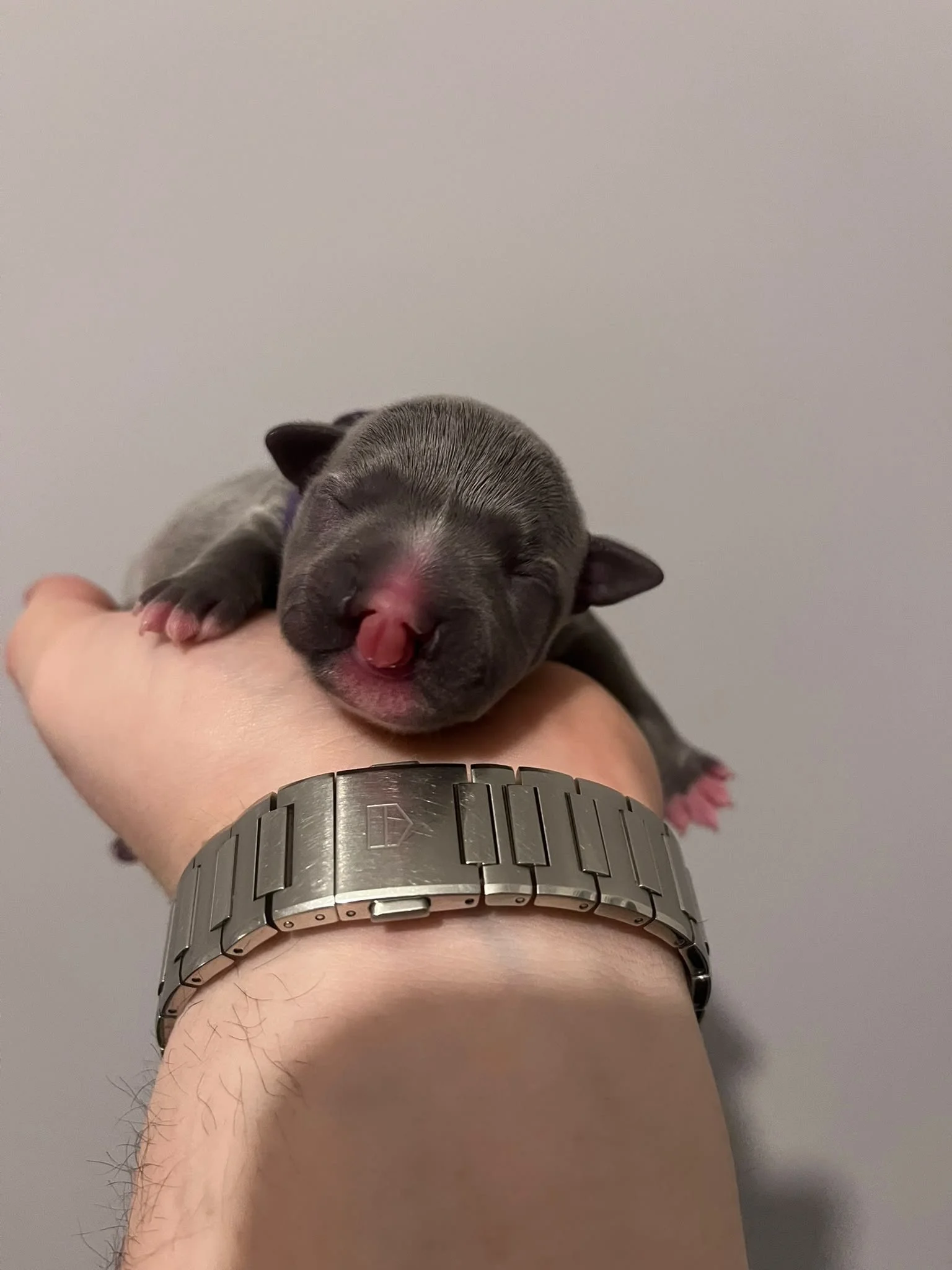
Look at it.
Tiny.
Squishy.
Ridiculous little feet.
A face capable of making grown adults produce noises they would strongly deny making in public.
And, sometimes, a rather distinctive little nose or lip that makes everybody immediately go:
“OH MY GOD, LOOK AT HIS FACE.”
Yep.
We know.
They’re bloody adorable.
You look at a newborn puppy with a cleft lip and/or palate and think:
How hard can something that weighs less than a bag of sugar possibly be?
Oh, sweet baby jesus.
Welcome to the world of cleft puppies.
Where time is measured in feeds.
Sleep becomes something you vaguely remember doing in a previous life.
Money disappears at an impressive rate.
And just as you’ve finally sat down after feeding, cleaning, toileting, weighing and settling the tiny potato…
It’s nearly time to fucking start again.
Because keeping a medically vulnerable cleft puppy alive isn’t just cuddling an adorable newborn and occasionally giving it some milk.
It can be exhausting.
Repetitive.
Expensive.
Frightening.
Heartbreaking.
And incredibly rewarding.
It requires knowledge, attention to detail and an alarming ability to function while your brain is approximately 74% caffeine.
And we need to talk about that bit.
Because rescue stories tend to show you the before and the after.
We want to show you the middle.
And with some cleft puppies?
The middle happens at 3am.
So, What Actually Is a Cleft Lip or Palate?
Let’s clear something up first.
Because cleft lip and cleft palate are often lumped together, but they’re not exactly the same thing.
A puppy can be born with a cleft lip, a cleft palate, or both.
A cleft lip is a congenital defect affecting the lip. It can vary considerably in appearance and extent.
Some are immediately obvious.
You take one look at that tiny face and there it is.
A cleft palate affects the roof of the mouth, where the tissues haven’t fused normally during development.
And that can be much less obvious from the outside.
Which is important.
Because sometimes the bit causing the biggest concern is the bit you can’t see in the cute photograph.
A puppy with a visible cleft lip does not automatically have a cleft palate.
Equally, a puppy without an obvious cleft lip could still have a problem involving the palate.
And the distinction matters because the individual puppy’s ability to feed safely can be very different.
A puppy affected only by a cleft lip may have very different needs from a puppy with a significant cleft palate.
So:
Not every cleft puppy needs the same care.
Not every cleft puppy needs tube feeding.
Not every cleft has the same prognosis.
Not every puppy follows the same path.
The puppy in front of you matters.

When Feeding Isn’t Just Feeding
New born puppies are supposed to be rather straightforward creatures.
Eat.
Sleep.
Poo.
Repeat.
Unfortunately, some cleft puppies haven’t read the fucking manual.
When the palate is affected, there can be an abnormal opening between the mouth and nasal cavity.
Which is a fairly significant design flaw when you’re a new born animal whose main hobby is supposed to be drinking milk.
Normal feeding may be difficult or unsafe, depending on the individual puppy and the nature of the defect.
Milk going where milk shouldn’t go can be extremely dangerous.
Aspiration is a very real concern.
And that’s why a cleft puppy is not automatically
“Just a little puppy that needs bottle feeding.”
Some puppies require specialist feeding and intensive hand-rearing under an appropriate veterinary care plan.
And before anybody reaches for a syringe and decides three TikTok videos have adequately prepared them for neonatal intensive care:
Please don’t.
Tube feeding can be lifesaving.
It is also a practical skill that needs to be taught properly.
This isn’t a step-by-step tube-feeding guide, and we’re deliberately not going to turn it into one.
Because there is a fairly significant difference between:
“Awww, I’m feeding a tiny puppy!”
and
“I am responsible for getting nutrition into a medically vulnerable neonate safely.”
One makes a lovely social media post.
The other is the reality.
“Can’t You Just Put It Back With Mum?”
We wish.
We really, really wish.
Mum is warm.
Mum doesn’t need an alarm clock.
Mum doesn’t complain that she hasn’t showered yet.
And mum certainly doesn’t stand in the kitchen at 4am wondering whether eating a packet of biscuits constitutes breakfast.
But if a puppy cannot feed safely from mum because of the nature of its cleft, simply putting it back and hoping for the best isn’t an answer.
Nor is randomly trying different ways of getting milk into it.
The puppy needs assessing.
Properly.
Because one puppy’s cleft isn’t another puppy’s cleft.
And one puppy’s care plan shouldn’t be copied and pasted onto another.
So when somebody says:
“Well, my friend’s cleft puppy just…”
Stop.
Your friend’s puppy isn’t this puppy.
And Facebook isn’t a neonatal unit.
Welcome to the Feed. Sleep. Repeat. Olympics.
People hear hand-rearing and imagine a lovely bonding experience.
And yes, there are lovely bits.
Tiny squeaks.
Warm little bodies.
Little paws.
Watching a fragile puppy gain strength is genuinely incredible.
But do you know what else there is?
Alarms.
So.
Many.
Fucking.
Alarms.
For puppies who require intensive hand rearing, feeding and monitoring can be needed very frequently and around the clock according to their individual care plan.
Daytime.
Night-time.
Dinner time.
When you’ve just made a cup of tea time.
When you’ve finally got comfortable time.
And, naturally, approximately twelve minutes after you’ve managed to fall properly asleep.
BEEP BEEP.
Puppy.
Again.
When people hear about frequent or even hourly care, it’s easy to underestimate what that actually does to your life.
Imagine your entire day chopped into tiny sections.
Check puppy.
Prepare.
Feed.
Clean.
Toilet.
Monitor.
Record.
Settle puppy.
Clean equipment.
Check puppy again because you are now paranoid.
Finally sit down.
Look at clock.
Oh, for fuck’s sake.
Start again.
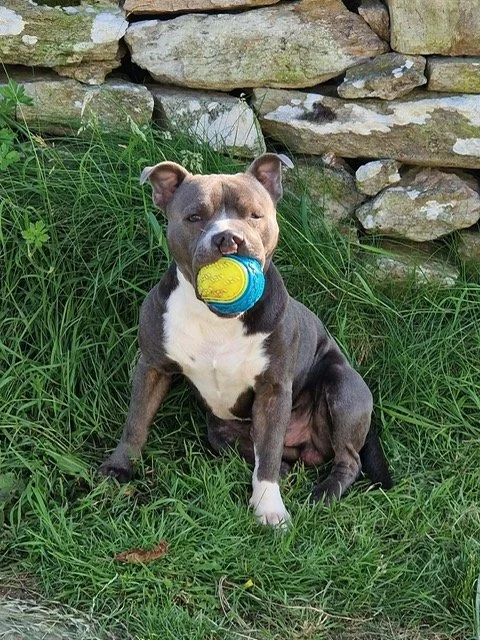
And that’s just one feed.
Then you do it again.
And again.
And again.
Through the day.
Through the evening.
Through the night.
Then morning arrives and normal life has the absolute audacity to expect you to function like a human being.
The Feed Isn’t the Whole Job Either
This is the bit people don’t always realise.
You don’t simply put food in one end and wait several weeks for a dog to emerge.
You’re monitoring the whole puppy.
Weight.
Warmth.
Hydration.
Energy.
Toileting.
Breathing.
Behaviour.
Whether they’re settling.
Whether they’re gaining appropriately.
Whether something has changed since the last time you looked at them.
And when you’ve got a medically vulnerable newborn, tiny changes can matter.
So you become slightly obsessed.
Was that noise there earlier?
Did they seem quieter at that feed?
Is their breathing different?
Are they warm enough?
When did they last toilet?
Was that normal?
Should I check?
I’ll check.
You check.
They’re asleep.
You go back to bed.
Two minutes later:
Maybe I should check again.
Congratulations.
You’ve now got nine minutes until the next alarm.
The 3am Version of You Is Not Your Best Version
There is tired.
And then there is neonatal puppy tired.
They’re different things.
Neonatal-puppy tired is walking into a room and forgetting why you’re there.
Putting the kettle on and discovering it twenty minutes later.
Setting multiple alarms because you no longer trust yourself.
Waking up before the alarm because your brain has apparently decided sleep is suspicious.
Hearing phantom puppy noises.
And occasionally having absolutely no idea what fucking day it is.
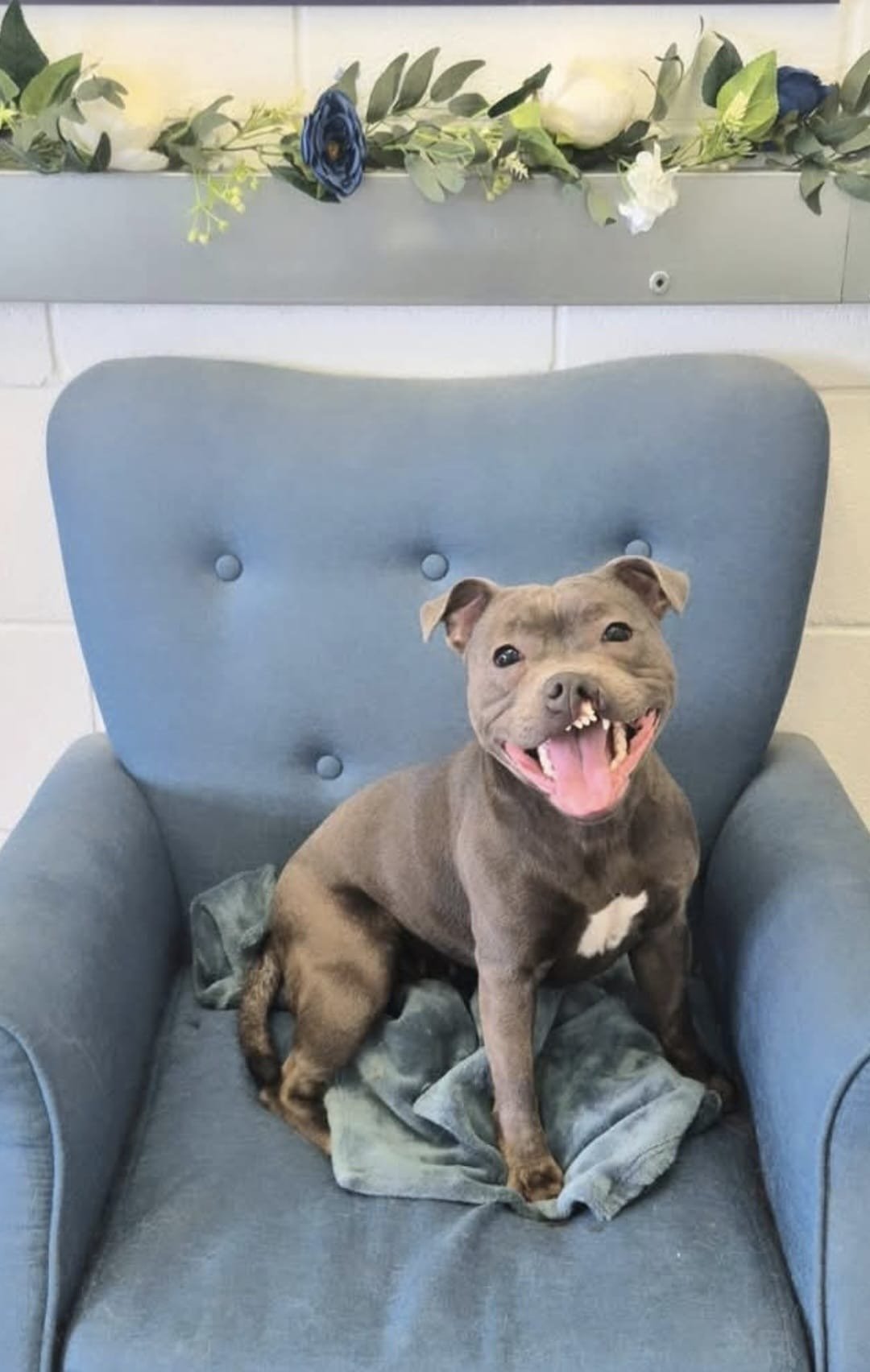
And the exhaustion isn’t just physical.
You’re emotionally invested in whether this tiny creature survives.
So even when you’re technically sleeping, part of your brain is still on duty.
You worry.
You check.
You second-guess yourself.
Then you worry because you’re worrying.
And when the alarm goes off?
You get up and do it all again.
Because the puppy needs you.
And Then You Become Obsessed With the Scales
There are few objects capable of controlling a person’s mood quite like a set of puppy scales.
Because when you’re hand rearing a medically vulnerable puppy, weight isn’t just a number.
It’s information.
So you weigh.
Record.
Compare.
And stare at that tiny number as though you’re waiting for the National Lottery results.
A gain?
YES.
We love you, scales.
You are magnificent.
A disappointing result?
Right.
What’s changed?
How’s the puppy behaving?
How are the feeds going?
Is there something we’re missing?
Suddenly a few grams matter enormously.
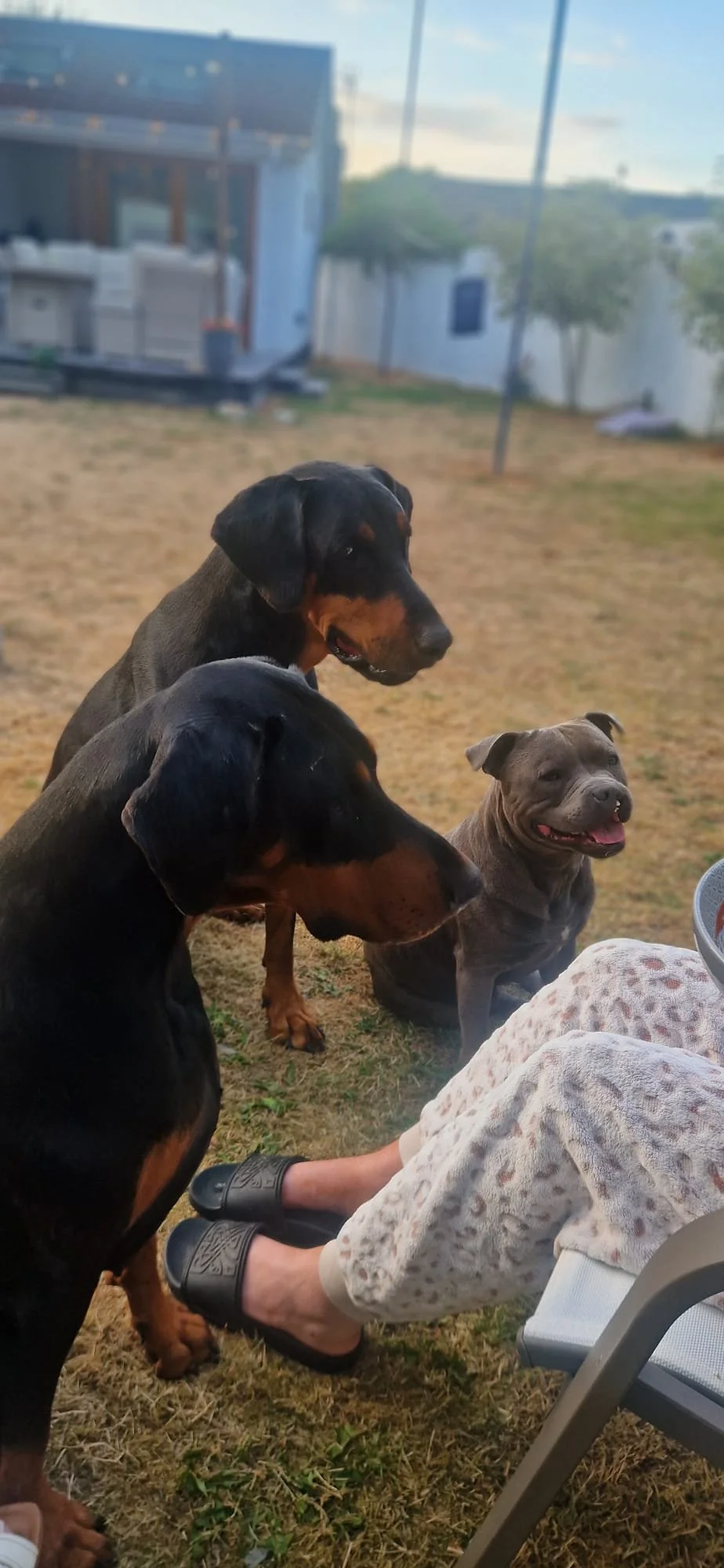
People who’ve never hand-reared a medically vulnerable puppy might think celebrating a tiny weight gain is ridiculous.
People who have?
They’ll understand completely.
Sometimes you’re standing in the kitchen at stupid o’clock in the morning staring at the scales and celebrating a few grams like you’ve just won the bloody lottery.
Then There’s the Poo
Obviously there’s poo.
This is CWF.
We couldn’t possibly write an entire blog without discussing bodily functions.
Very young puppies don’t just wander outside, have a wee and return to bed.
Depending on their age and circumstances, hand-reared puppies may need help toileting too.
Which means that while everybody else sees:
“AWWWWWW LOOK AT THE TINY BABY!”
We’re sometimes looking at exactly the same puppy thinking:
Excellent. He had a shit.
And genuinely meaning it.
Because when you’re caring for a vulnerable newborn, the boring things become exciting.
Weight gain?
YES.
Good feed?
YES.
Nice and warm?
YES.
Normal poo?
FUCKING GET IN.
Congratulations.
You are now:
Feeder.
Cleaner.
Temperature monitor.
Record keeper.
Laundry operative.
Professional worrier.
And…
Arse Department.
Nobody puts Arse Department on the rescue posters.
We should.
While We’re Losing Sleep, the Rescue Is Losing Money
Here’s another part of the cute puppy photograph you can’t see.
The bill.
Because rescue isn’t free.
Somebody has to pay for all of this.
And that somebody is the rescue.
When a medically complicated puppy comes into CWF, there isn’t a magical CHARITY button at the veterinary practice that makes the invoice disappear.
Would be fucking lovely.
Doesn’t exist.
Depending on the puppy, there can be costs for:
Veterinary consultations and examinations
Emergency and out-of-hours appointments
Specialist referrals
Diagnostic tests
Medication
Milk replacer
Specialist feeding equipment
Syringes and other consumables
Cleaning and hygiene supplies
Bedding
Appropriate heating and neonatal equipment
Scales
Travel backwards and forwards to veterinary appointments
Follow-up appointments
Vaccinations and routine veterinary care when they’re old enough
And, for some puppies, eventually specialist surgery
Then add the unexpected complication.
The puppy that suddenly becomes unwell on a Sunday night doesn’t politely wait until Monday morning because the consultation will be cheaper.
The puppy doesn’t look at CWF’s bank balance before deciding it needs urgent treatment.
There is no
“Could you possibly have this medical emergency after payday?”
The vet bill arrives regardless.
And specialist treatment and surgery can run into thousands of pounds.
That’s for one dog.
Before we’ve paid for another dog in foster.
Before behavioural support.
Before another emergency.
Before medication for one of our long-term dogs.
Before the next puppy arrives.
And this is why donations matter so fucking much.
Not because we’re trying to emotionally blackmail people with photographs of cute puppies.
Because behind that photograph there are actual invoices.
Actual supplies.
Actual veterinary appointments.
Actual treatment.
And actual money leaving the charity’s account.
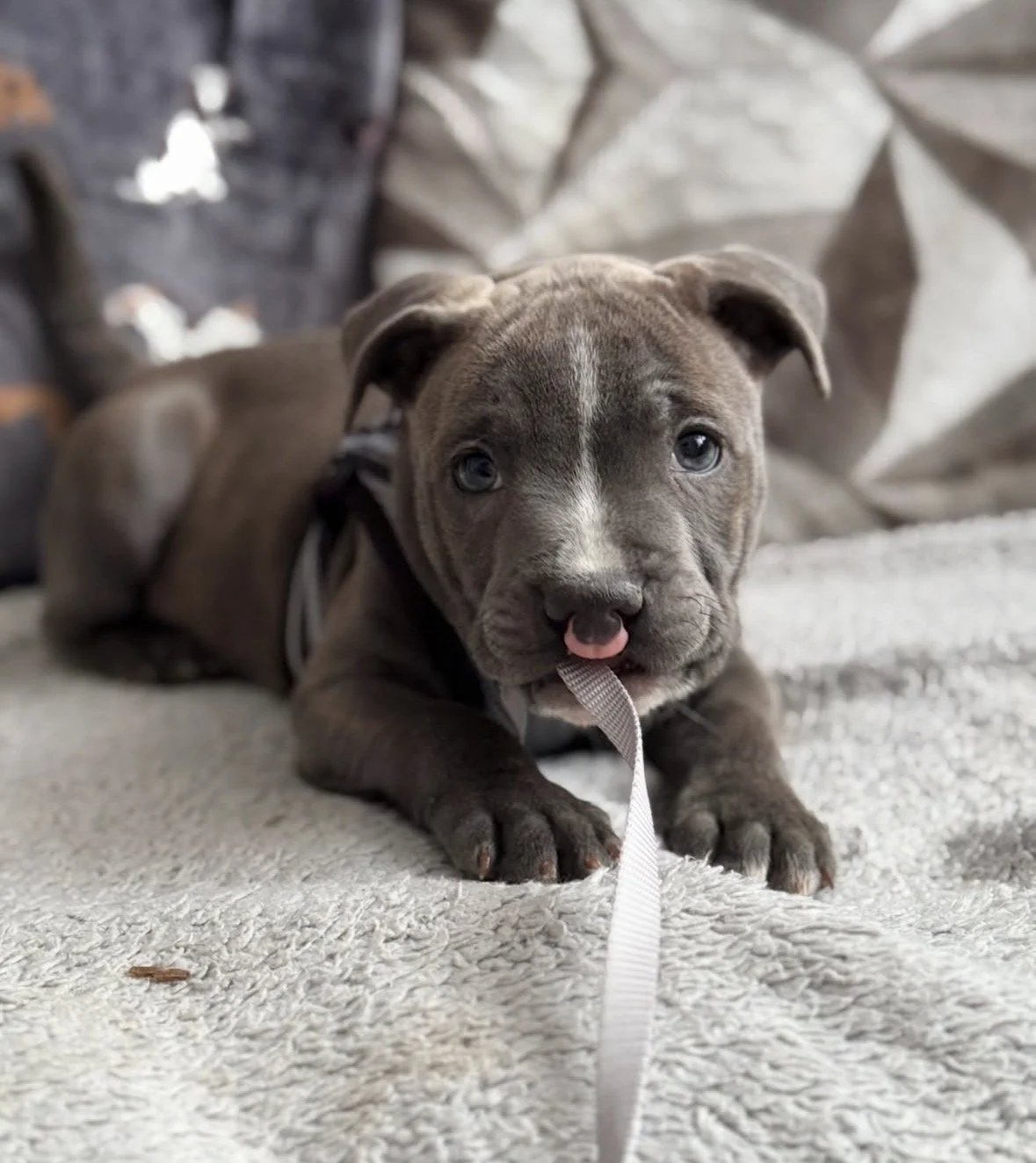
People sometimes say:
“But you’re a charity. Don’t vets do it for free?”
No.
Some veterinary practices and professionals are incredibly supportive of rescue organisations.
Some may offer discounts or help where they can.
And we’re enormously grateful when they do.
But veterinary medicine costs money.
Staff need paying.
Medication costs money.
Equipment costs money.
Diagnostics cost money.
Surgery costs money.
A rescue cannot walk into a referral hospital, wave a charity registration number around and yell:
“ONE FREE CLEFT PALATE REPAIR, PLEASE.”
Apparently that’s not how economics works.
Rude, really.
So when somebody donates £5, £10 or £20 to CWF, they might look at that and think:
“It’s only a tenner.”
We don’t.
Because ten pounds contributes towards something.
Milk.
Equipment.
Travel.
Medication.
A consultation.
A bill.
Multiply those donations together and suddenly we’re able to say yes to a dog that needs us.
That’s the important bit.
Small donations become veterinary care when enough people make them.
Tube Feeding Isn’t a Cute Little Rescue Hack
We need to be serious for a minute.
For some puppies, tube feeding can be an essential part of their care.
But it’s not something we’d recommend somebody learns from a thirty second social media video and then has a crack at because it:
“Looks easy enough.”
Getting it wrong can have devastating consequences.
So if you have a new born puppy with a suspected cleft lip or palate, a puppy who is struggling to nurse, milk appearing from the nose, poor weight gain, weakness, breathing problems or anything else that concerns you:
Please get appropriate veterinary help promptly.
Don’t rely on Facebook.
Don’t rely on somebody who once bred a litter in 1997.
And definitely don’t rely on:
“My mate had one and she just…”
No.
Your mate’s dog is not this puppy.
Get the puppy assessed.
Get proper advice.
And if specialist feeding is required, learn the appropriate technique properly from someone qualified to teach you.
Cute doesn’t make them less medically vulnerable.
Not Every Cleft Puppy Is the Same
This is worth saying again.
“Cleft puppy” doesn’t tell you the whole story.
We’ve dealt with puppies with cleft lips.
Puppies with cleft palates.
Puppies with both.
Different presentations.
Different severities.
Different challenges.
Different care requirements.
Different outcomes.
Some cleft lips are immediately obvious.
Some palate defects are much harder for an inexperienced person to spot.
Some puppies require extremely intensive care.
Others may have a very different journey.
And some may have additional medical problems completely separate from the cleft.
This is why we don’t believe in treating a diagnosis like an instruction manual.
The individual puppy matters.
Their cleft matters.
Their overall health matters.
Their ability to feed matters.
Their quality of life matters.
And appropriate veterinary assessment matters.
The dog in front of you will always matter more than the label somebody has stuck on it.
And Sometimes, Despite Everything, We Lose Them
This is the bit we’d quite like to leave out.
But then we wouldn’t really be showing you the middle, would we?
Because not every cleft puppy we care for survives.
Sometimes these puppies die.
And that is fucking heartbreaking.
You can set every alarm.
Get up for every feed.
Keep every record.
Watch every gram.
Keep them warm.
Keep them clean.
Get veterinary support.
Notice the tiny changes.
Spend hundreds or thousands of pounds trying to help them.
Do everything you possibly can.
And still lose them.
Cleft puppies can develop serious complications.
Aspiration and respiratory problems are particular concerns when the palate is affected, and some puppies have other congenital or medical problems alongside their cleft.
And newborn puppies are incredibly vulnerable little creatures.
Sometimes things change frighteningly quickly.
One minute you’re looking at the scales celebrating a gain.
Then something isn’t right.
And suddenly all the exhaustion disappears underneath one enormous thought:
Please don’t die.
That’s the side of hand rearing people don’t see in the photographs.
They see the puppy curled up asleep in somebody’s hand.
They don’t see somebody sitting beside that puppy watching every breath.
They don’t see the panic when something changes.
The emergency phone calls.
The vet visits.
The horrible waiting.
And sometimes…
The loss.
There are puppies we’ve poured everything into who didn’t make it.
Puppies we’ve fed through the night.
Puppies we’ve worried about.
Puppies we’ve celebrated.
Puppies whose weight was written down religiously.
Puppies we allowed ourselves to imagine growing up.
And puppies we then had to say goodbye to.
That’s a very particular kind of heartbreak.
Because after days or weeks of structuring your entire existence around keeping a tiny animal alive, suddenly there isn’t another alarm to set.
There isn’t another feed to prepare.
There isn’t another weight to record.
And the silence where all of that used to be is fucking awful.
talk a lot in rescue about fighting.
“He’s a fighter.”
“Keep fighting.”
“Don’t give up.”
We understand why.
We’ve said it ourselves.
But sometimes language like that accidentally suggests that the puppies who die simply didn’t fight hard enough.
Or that the person caring for them didn’t try hard enough.
That’s bollocks.
Sometimes tiny bodies simply cannot overcome what they’re dealing with.
Sometimes complications happen despite excellent care.
Sometimes there are other problems we couldn’t see at the beginning.
And sometimes doing absolutely everything does not give you the ending you wanted.
That doesn’t make the puppy a failure.
And it doesn’t make the person who cared for them a failure either.
Sometimes rescue means saving a life.
Sometimes it means giving a tiny life every possible chance.
And sometimes it means making sure that, however short that life turns out to be, the puppy was warm, cared for and loved while they were here.
We wish every story ended with an older puppy running around the house being an absolute dickhead.
They don’t.
That’s the truth.
And those puppies are part of CWF’s story too.
This Isn’t a “Save Them at Any Cost” Speech
We love these puppies.
Of course we do.
Look at their bloody faces.
But responsible rescue isn’t about keeping an animal alive simply because technically we can.
Welfare has to come first.
Clefts vary.
Puppies vary.
Some puppies may have additional congenital problems.
Some become poorly.
Some develop complications.
Some may require surgery later.
And sometimes there are incredibly difficult conversations with vets about prognosis and quality of life.
There may also come a point where the kindest decision is to stop.
And that decision can be absolutely devastating.
But choosing to prevent suffering isn’t betraying a puppy.
It is part of the responsibility we accepted when we took that puppy into our care.
Those decisions shouldn’t be made by Facebook.
They shouldn’t be made because a puppy is cute.
And they shouldn’t be made because somebody desperately wants to be able to say:
“I saved it.”
They should be made around the individual puppy, with appropriate veterinary advice, considering welfare and realistic prospects.
Because rescue isn’t about collecting success stories.
It’s about doing right by the animal in front of you.
Even when that’s fucking hard.
But Look How Cute He Is!
Yes.
We know.
That’s how they get you.
You’re absolutely shattered.
Your hair hasn’t seen a brush in a period of time you’re no longer comfortable disclosing.
Your washing machine appears to have entered into some sort of industrial dispute.
There is puppy equipment everywhere.
You’ve had approximately seventeen cups of tea and actually finished none of them.
You cannot remember the last time you ate a meal while it was still hot.
You’re pretty sure you’ve had a conversation with another adult today.
But you wouldn’t stake money on it.
Then the puppy curls up in your hand.
Tiny belly full.
Warm.
Content.
Growing.
And suddenly you think:
Oh.
That’s why we’re doing this.
That’s the bit that gets you.
Because every gram gained represents work.
Every milestone represents hours nobody saw.
Every ordinary puppy thing they eventually learn to do can feel absolutely extraordinary.
And perhaps you hold those ordinary moments a little tighter when you’ve known the puppies who never got to have them.
The Puppy Everyone Else Meets Comes Later
This is the bit we’d really like people to understand.
If eventually you see one of our cleft puppies running around like a lunatic, playing with toys, stealing things they shouldn’t and generally being a completely normal pain in the arse…
Please remember there was a before.
There was somebody setting alarms.
Somebody getting up in the dark.
Somebody preparing feeds.
Somebody cleaning equipment.
Somebody keeping records.
Somebody weighing.
Somebody monitoring.
Somebody worrying.
Somebody going backwards and forwards to the vet.
Somebody paying the invoices.
Somebody fundraising to pay the next one.
Somebody looking at a tiny puppy at ridiculous o’clock in the morning and whispering:
Come on, little one.
And then doing it all again.
And again.
And again.
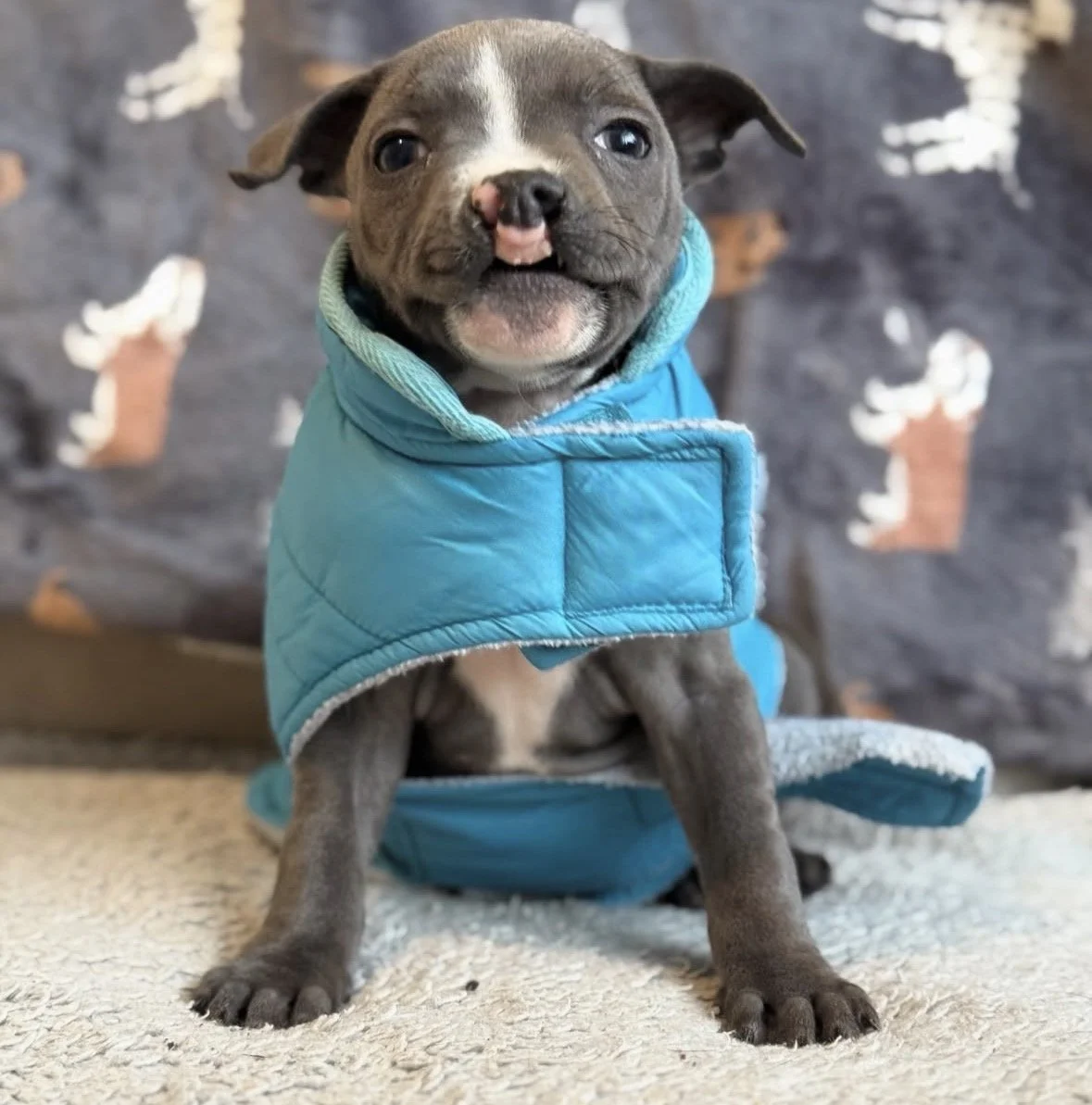
People see the puppy that survived.
They don’t see the alarms.
The feeds.
The weighing.
The cleaning.
The toileting.
The worry.
The veterinary care.
The invoices.
The fundraising.
The sleep deprivation.
The moments where something doesn’t look quite right and your stomach drops through the fucking floor.
And they don’t necessarily see the puppies who didn’t survive.
The little lives that mattered just as much.
The names we still remember.
The alarms we would have happily kept setting.
They see the cute little face.
They see the puppy growing.
Eventually, hopefully, they see the dog.
They see the after.
We want to show you the middle.
Even when the middle doesn’t lead to the ending we wanted.
Because this is rescue too.
Not glamorous.
Not particularly Instagrammable.
Often exhausting.
Expensive.
Sometimes frightening.
Sometimes absolutely heartbreaking.
Occasionally covered in poo.
And involving a frankly unreasonable number of alarms.
But when that tiny, medically complicated puppy you’ve spent weeks worrying about eventually starts running around, stealing things, ignoring you and behaving like an ordinary little dickhead?
You look at them.
You remember the alarms.
The worry.
The grams.
The feeds.
The vet bills.
The nights when you genuinely didn’t know what would happen next.
And you remember the puppies who should have been there too.
Then you look at the little sod currently disappearing across the room with something they absolutely shouldn’t have…
And think:
You were worth every fucking one of them.
And so were the ones we lost.
Before We Ask You For Money..
A massive shoutout to Nicola
We’ve spent this entire blog talking about alarms.
The feeds.
The weighing.
The cleaning.
The worrying.
The lack of sleep.
The vet trips.
The heartbreak.
But somebody actually has to
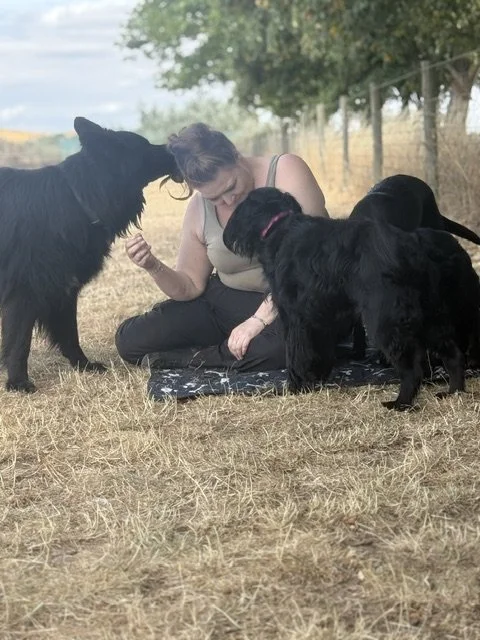
Nicola goes above and beyond for dogs with additional and complex needs, particularly the tiny ones who arrive needing intensive round-the-clock care.
When a cleft puppy needs feeding through the night, Nicola is the person setting the alarms.
And getting up when they go off.
Again.
And again.
And again.
Then morning arrives.
Does she get to crawl into bed and recover?
Of course not.
She has a full-time job.
Because apparently sleep is optional.
Alongside working full time, she’s running a home, caring for dogs, hand-rearing puppies and somehow also finding the time and brain capacity to be Chair of Trustees at Canine Welfare Fund.
We genuinely don’t know where she finds the hours.
Or the energy.
Possibly caffeine.
Almost certainly caffeine.
Hand rearing isn’t just feeding a puppy every few hours and taking some cute photographs.
(Which she is shit at)
It’s reorganising your entire life around something that fits in the palm of your hand.
It’s functioning at work after broken sleep.
It’s setting another alarm when every part of you desperately wants a full night’s rest.
It’s noticing the tiny changes.
Recording the weights.
Cleaning the equipment.
Going to the vets.
Worrying when something isn’t right.
Celebrating a few grams.
And, sometimes, sitting with the heartbreak when despite absolutely everything you’ve done, the puppy doesn’t make it.
Then, somehow, when another vulnerable dog needs help…
You do it all over again.
Nicola has given an extraordinary amount of her time, sleep, knowledge and heart to dogs who needed somebody willing to go that extra mile.
A lot of the dogs people eventually see happy, healthy and causing chaos have a part of their story that happened when nobody was watching.
At 1am.
At 3am.
At 5am.
With an alarm going off and Nicola getting out of bed.
So before we finish this blog, we want to say something publicly that probably isn’t said nearly enough:
Thank you, Nicola.
For every alarm.
Every feed.
Every sleepless night.
Every vet trip.
Every tiny weight gain you’ve celebrated.
Every puppy you’ve fought alongside.
Every dog you’ve given a chance.
And every little life you’ve loved, including the ones we couldn’t save.
CWF simply couldn’t do this work without people prepared to give this much of themselves.
And Nicola?
You’re an absolute bloody legend.
Now please go and have a nap.
Actually, don’t.
There’s probably a puppy due a feed.
If You Want to Help
When you donate to Canine Welfare Fund, you’re not just donating to a cute puppy.
You’re helping pay for the middle.
The milk.
The equipment.
The veterinary appointments.
The medication.
The emergency visits.
The specialist care.
The surgery.
The dogs whose treatment costs far more than anyone expected.
And sometimes, heartbreakingly, the puppies whose bills still have to be paid even though they didn’t make it.
The invoice doesn’t disappear because the puppy died.
That’s an especially horrible reality of rescue.
We still pay it.
Then, when the next dog needs us, we somehow have to find the money to say yes all over again.
So if you’ve ever donated £5 and wondered whether it actually makes a difference:
It fucking does.
You are helping us give complicated dogs a chance.
And we are incredibly grateful.
Important Information
This blog describes CWF’s experience of caring for puppies born with cleft lips and/or palates. It is not intended as a tube-feeding guide or a substitute for veterinary advice.
Not every puppy born with a cleft lip or palate requires the same care or method of feeding. Sadly, some puppies can develop serious complications and may not survive despite intensive care and appropriate veterinary support.
If you have a newborn puppy with a suspected cleft lip or palate, or a puppy that is struggling to feed or appears unwell, please seek appropriate veterinary advice promptly.
Specialist feeding techniques, including tube feeding where required, should be taught properly by an appropriately qualified professional.